
Learning how to protect personal data at casino sites is mostly about judging the mobile experience before you enter private details. A trustworthy interface should load quickly, make account and payment controls easy to find, and explain verification without making you guess. In Australia, that also means checking the operator’s legal status, avoiding geo-block workarounds, and treating unsolicited promotions with suspicion. Mobile remains the priority because casino sessions often happen on a phone in a busy place rather than at a home desktop.
Start with the mobile experience
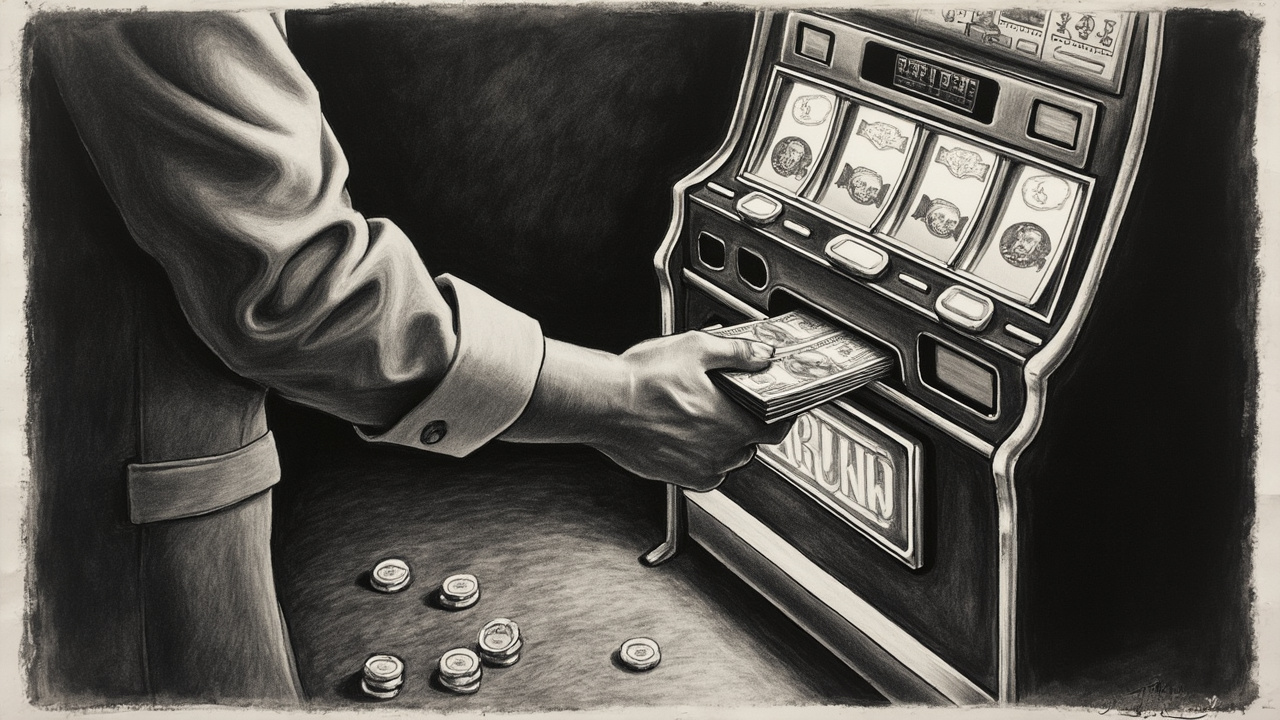
The first check is simple: can you find what you need without pinching, zooming or reopening menus? Sydney product designer Naser Husari, whose background spans sportsbook, casino and payments interfaces, judges a casino the way he would assess a transaction flow: clarity first, with every next step visible. The interface should clearly separate the cashier, identity checks, responsible gambling tools and account security. Anything that forces repeated scrolling or hides a withdrawal condition is a design warning, not automatically a scam.
Performance matters just as much as polish. Slow pages can encourage accidental taps, stale pages can display outdated payment details, and repeated time-outs can leave you unsure whether a request went through. A well-built site keeps the balance and transaction status visible, uses recognisable payment names and confirms an action before committing it. On mobile data, connection loss should never look like a completed deposit.
Test the browser flow before creating an account. Open the menu, find the privacy controls, start verification and reach the cashier without installing anything. Then check whether the back button loses your place and whether support is accessible from the game lobby. If you see an advertised offer, verify the terms in the same session; wolf winner casino login australia no deposit bonus available is the kind of search phrase that should lead to a genuine operator page, not an impersonating pop-up.
The same standard applies to casino apps. Prefer an official app distributed through the operator’s verified channel, update it regularly and remove it if the publisher details change. Device biometrics can protect access, but they should complement a unique casino password rather than replace one.
| Mobile check | What good looks like | Why it matters |
|---|---|---|
| Navigation | Security, cashier and support remain easy to reach | Reduces errors during sensitive tasks |
| Page speed | Lobby and cashier load promptly | Limits stale screens and repeated taps |
| Session handling | Clear sign-out and time-out controls | Reduces access by people sharing a phone |
| Verification | Requirements and status are plainly shown | Prevents avoidable document resubmission |
| Payment display | Amount, method and status stay visible | Makes transactions easier to confirm |
A player who can complete those checks calmly is already ahead of someone relying on a bright banner alone.
Protect identity, payment and betting data
Personal-data protection starts before you upload a document. Use a separate email address if you regularly manage casino funds, avoid reusing your primary banking password and keep your phone’s operating system current. Never save identity documents to the browser’s downloads folder when they can be stored in an encrypted password vault. At a shared device, sign out fully and clear the browser rather than relying on a decorative close button.
Verification should require only the information genuinely needed for identity, age and account ownership. Photographing an ID card or licence can expose an address, signature and photograph, so crop nothing unless the operator’s secure upload screen requests it. Upload through the verified account page, inspect the destination and avoid sending documents through live chat. A legitimate support agent should not ask you to move verification to a personal email or messaging app.
Payment data needs the same discipline. Our casino design concept, HarbourBet, supports AUD cashier records, provider labels such as cards, bank transfers and stored payment tokens, and a visible transaction history. We would not build deposit limits that disappear behind a sales banner, nor use free spins to obscure wagering conditions. The information shown at checkout should match the confirmation screen; that consistency is a product-quality signal as much as a security control.

The unusual betting market shows why careful account use matters. Some punters famously place decades-long “novelty bets”, such as on the end of the world (unpayable, of course), while “futures” bets predict season-long outcomes like championship winners. These contracts may remain open for years, so saved cards, old addresses and reused passwords can become long-term liabilities. Use payment tokens where available, remove dormant funding methods and review account access periodically.
For poker fans, history can be equally important. The World Poker Tour launched in 2002 and fuelled the poker boom, but that legacy does not justify sharing one account among friends. Multiplayer tables can expose display names and timing patterns even when financial details are hidden, so never treat a visible username as permission to reveal personal information.
Control the information you share
Before joining a new casino, open the privacy notice and check how the operator handles contact details, verification records, betting history and payment providers. Look for a plain-language deletion or account-closure route rather than sending repeated support requests. Marketing consent should be optional where offered, and unsubscribe links should lead somewhere real. If the site treats age or identity verification as permission for endless promotional messages, that is poor stewardship.
Recognise impersonation and urgency
Casino-themed scams often manufacture a deadline: your account closes today, your bonus expires tonight or your documents must be resent immediately. Pause, open the official app or type the verified address yourself, and check the message through the account’s support channel. Never act on a link contained in an unexpected text, email or social post, even if it displays a familiar casino name.
Inspect permissions and account alerts
Review connected devices, active sessions and saved payment details rather than only changing the password. Enable the casino’s sign-in alerts and your phone’s lock screen. For stronger account separation, use a password manager and a passkey or biometric where the platform supports it. Notifications should not include full account numbers or verification documents; if they do, ask support to remove the exposed detail.
What this means for Australians
For players in Perth and across Australia, local habits matter. Your mobile carrier, device and home connection may differ from a casino’s assumptions, so avoid public Wi-Fi for identity uploads or deposits. An Australian domain ending does not prove Australian authorisation, and an offshore operator is not automatically licensed or regulated here. Check the relevant state or territory rules and the operator’s legal information before depositing.
Use AUD amounts to keep your own records clear, but never assume an AUD label makes a transaction local. Fees, exchange treatment and withdrawal conditions still need checking. If a promotion requires deposits, “futures” bets can expose funds for months, and “novelty” bets can sit idle for decades, so your data protection checklist should change as the betting task changes.
Support is part of the security system. A useful operator records requests, states when identity checks are complete and provides escalation options without demanding unnecessary documents. Keep your own timestamps and screenshots of transactions, but store them securely rather than filling an unencrypted notes app.
Match the platform to your habits
The best personal-data protection is practical for the way you actually play. If you mostly browse on mobile, favour an operator with a responsive browser, a compact cashier, visible session controls and support reachable from every major screen. An app-only design may suit someone who prefers a dedicated game screen, provided the publisher is verified and account security is equally complete.
Do not judge by the number of slots or the size of a banner. Judge whether the site explains data use, keeps payment steps predictable and lets you revoke access. Those are the qualities I would look for when reviewing a sportsbook, casino or payments interface: the operator should make the safe action the easy action.
A focused verdict on protecting personal data
Protecting personal data at casino sites comes down to a small number of visible behaviours: fast mobile navigation, secure uploads, clear payment records, manageable permissions and support that never pressures you. Use official channels, separate credentials and less data wherever possible, especially when a bet may remain unresolved for years.
Choose the platform that makes each step legible and reversible before depositing. If navigation is cluttered, verification is vague or security settings are buried, your instinct is right – no worries, keep your funds elsewhere.